 Josep
JosepImport and pre-export loans: These provide the working capital companies need to either buy goods or produce them for export. They typically have higher interest rates than L/Cs because they carry more risk, and banks usually want substantial collateral to back them up.
2
Factoring: This is essentially selling your invoices (accounts receivable) at a discount to get cash immediately rather than waiting for customers to pay. For exporters needing quick cash flow, this can be a lifesaver.
Export credits: This is financial support provided to domestic exporters by government agencies or financial institutions to promote exports.
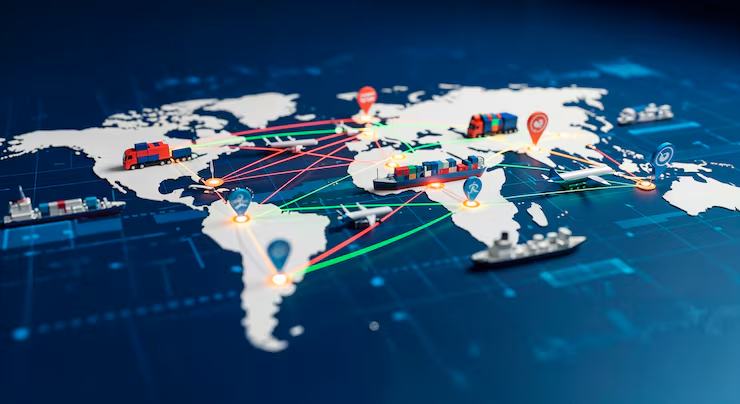
Parties Involved
The trade finance ecosystem involves multiple stakeholders:
Banks: They are the primary providers of trade finance, offering various financial instruments and services.
3
Importers and exporters: These are the primary users of trade finance services, seeking to mitigate risks and secure financing for their international trade transactions.
Export credit agencies: Government-backed institutions that provide export credits and guarantees to support domestic exporters.
4
Multilateral development banks: In developing nations where commercial banks may be reluctant to operate, institutions like the World Bank and regional development banks play an important role in providing trade finance. Insurers: They offer trade credit insurance to safeguard against risks of nonpayment. Governments and regulators: They ease trade and financing through policymaking and regulations.
5
Important
Unlike other financial sectors where regulators often worry about excess leverage or overextended credit, international organizations like the World Trade Organization are actively working to close what’s called the “trade finance gap.” The goal is to bring more global commerce within this structured system, making international trade more accessible and helping producers in developing countries reach worldwide markets.
6
1
How Trade Finance Works
Transaction Process
A typical trade finance transaction involves steps to ensure secure and efficient cross-border trade:
Agreement and contract: Importers and exporters negotiate terms, including payment methods, delivery timelines, and use of financial instruments like L/Cs.
Issuing the instrument: The importer’s bank issues an L/C, or bank guarantee, to guarantee that the exporter will be paid if the conditions of the contract are met. Documentation and shipping: The exporter ships the goods and sends documentation to the importer’s bank for verification, such as bills of lading and invoices. Payment: The bank verifies documents and releases payment to the exporter, often via wire transfer.
Settlement: The importer repays the bank, completing the transaction.
Mitigating Risk
Risk is a part of global trade because exporters and importers have competing interests. Importers worry about having to pay before receiving goods, whereas exporters want payment in full to avoid nonpayment. Trade finance, particularly letters of credit, addresses this. A letter of credit, issued by the importer’s bank, guarantees payment to the exporter upon presentation of shipping documents, like a bill of lading. This shifts the payment risk to the importer’s bank, which assesses the importer’s creditworthiness.
Trade finance instruments and strategies address key risks:
Nonpayment: L/Cs and bank guarantees ensure payment upon compliance with terms.
Currency fluctuations: Forward contracts or hedging tools mitigate exchange rate risks.
Political instability: Export credit agencies and trade credit insurance can help protect against country-specific risks.
Risks to operations: The risk of fraud and default is reduced by requiring collateral and financing after shipping. The advantages of trade finance 1. More Cash Flow
Through tools like letters of credit and factoring, exporters can get paid quickly while importers can delay payments until they’ve received and possibly even sold the goods. This means companies don’t have to drain their bank accounts or max out traditional loans to keep business flowing.
This arrangement is especially beneficial to small and medium-sized businesses (SMEs). For example, pre-export financing helps manufacturers fund production costs before shipping, ensuring they can deliver orders on time without cash flow headaches.